
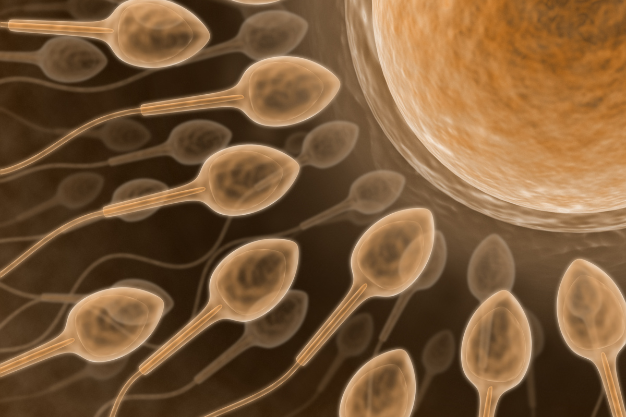
Nutritious Choices for Superior Sperm Health: A Guide to Scientifically Supported Nutrition for Optimal Male Fertility
Sustaining peak sperm vitality is essential for male fertility, with dietary habits playing a significant role in influencing sperm quality and agility. A nutrient-rich diet not only fosters holistic health but directly impacts sperm density, structure, and mobility. This article delves into evidence-based foods known to fortify sperm health, augmenting fertility prospects and overall reproductive vitality.
- Antioxidant-Dense Foods to Mitigate Oxidative Strain
Oxidative stress is a notable contributor to DNA damage in sperm and diminished fertility. Consuming foods abundant in antioxidants helps neutralize harmful free radicals, thereby safeguarding spermatozoa.
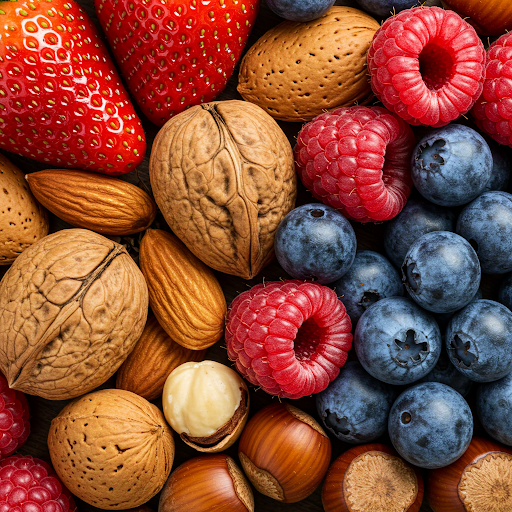
Berries (Blueberries, Strawberries, Raspberries)
Berries are brimming with vitamin C, anthocyanins, and polyphenols—potent antioxidants that enhance sperm resilience. Vitamin C is linked with elevated sperm counts and motility, while anthocyanins guard cells against oxidative harm.
Nuts (Walnuts, Almonds, Brazil Nuts)
Walnuts, renowned for their substantial omega-3 fatty acid and antioxidant content (like selenium and vitamin E), are pivotal for enhancing sperm membrane flexibility and shielding against oxidative damage. Brazil nuts are particularly rich in selenium, a crucial mineral for augmenting sperm agility.
Dark Leafy Vegetables (Spinach, Kale, Swiss Chard)
These verdant greens are packed with folate and antioxidants, lowering the chances of DNA fragmentation within sperm cells. Folate, a vital B vitamin, is indispensable for accurate DNA synthesis and cellular division.
- Vital Fatty Acids to Elevate Sperm Integrity
Healthy fats, especially omega-3 fatty acids, are fundamental for preserving the integrity of sperm membranes, thereby improving their movement and functionality.
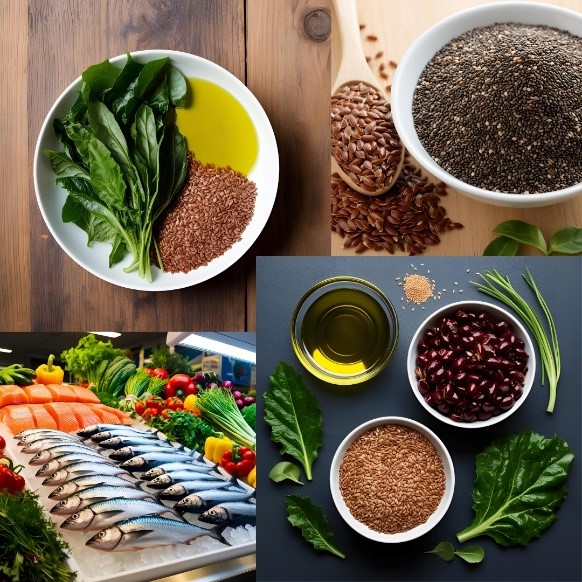
Fatty Fish (Salmon, Mackerel, Sardines)
Rich in omega-3 fatty acids, particularly DHA (Docosahexaenoic Acid), fatty fish have been associated with heightened sperm motility and numbers. Research published in the “Journal of Human Reproductive Sciences” underscores DHA’s crucial role in spermatogenesis.
Flaxseeds and Chia Seeds
These seeds provide excellent plant-derived omega-3 sources, aiding hormone balance and upgrading sperm quality—especially beneficial for those adhering to plant-based diets.
Olive Oil
As a staple of the Mediterranean diet, olive oil boasts an abundance of monounsaturated fats, reducing inflammation and enhancing sperm quality. Studies in “Andrology” suggest that men integrating olive oil into their diet observed notable improvements in sperm vitality and agility.

- Vitamins and Minerals Essential for Sperm Vitality
Certain vitamins and minerals are directly tied to improvements in sperm count, agility, and structure. Consuming nutrient-rich foods can significantly bolster sperm well-being.
Zinc-Rich Foods (Pumpkin Seeds, Red Meat, Shellfish)
Zinc, a cornerstone for male fertility, is integral to testosterone synthesis and sperm health. Shellfish, particularly oysters, contain elevated zinc levels, fostering improved sperm count and morphology.
Vitamin D Sources (Egg Yolks, Fortified Dairy, Sunlight)
A lack of vitamin D has been associated with reduced sperm counts and suboptimal motility. Foods such as egg yolks, fortified dairy products, and adequate sun exposure are essential for maintaining healthy vitamin D levels, which are vital for superior sperm parameters.
Folate Sources (Lentils, Beans, Avocado)
Folate, crucial for DNA stability, is highlighted in studies published in “Reproductive Biology and Endocrinology” as a nutrient necessary to avoid sperm DNA impairment, impacting fertility.
Vitamin E Sources (Sunflower Seeds, Almonds, Spinach)
Acting as a formidable antioxidant, vitamin E guards sperm against oxidative destruction. Almonds and sunflower seeds, high in vitamin E, enhance sperm motility and overall reproductive efficiency.
- Proteins to Boost Testosterone and Sperm Health
An ample protein intake underpins muscle strength, hormonal balance, and reproductive well-being. Lean proteins are vital for sustaining sperm quality.
Lean Meats (Chicken, Turkey, Lean Beef)
Lean meats are excellent sources of high-quality protein and are abundant in carnitine, an amino acid that advances sperm agility. Consuming lean meats supports optimal testosterone levels, crucial for robust sperm health.
Eggs
Eggs are nutritionally dense, containing quality protein, vitamin E, and choline, all of which aid in maintaining healthy sperm morphology and agility. Eggs’ nutrient profile is beneficial for overall hormonal harmony, pivotal for reproductive fitness.
- Fruits and Vegetables to Enhance Sperm Mobility and Structure
Color-rich fruits and vegetables offer a spectrum of nutrients that aid in sperm health, including vitamins, minerals, and antioxidants.
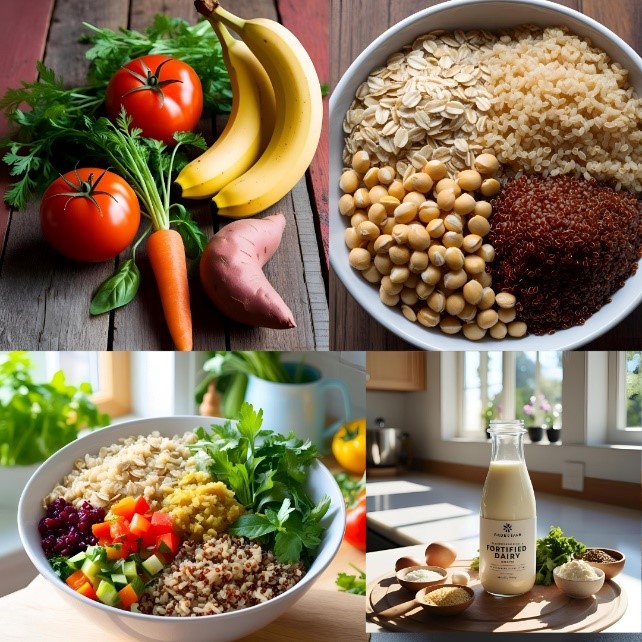
Tomatoes
Tomatoes are a potent source of lycopene, an antioxidant proven to amplify sperm count and improve structure. Lycopene’s antioxidant properties mitigate oxidative stress on spermatozoa, yielding better reproductive results.
Bananas
Loaded with vitamin B6, vitamin C, and bromelain—an enzyme that bolsters sperm motility—bananas are a nutritional powerhouse. Vitamin B6 aids hormone regulation, boosting sperm production, while vitamin C offers cellular protection.
Carrots and Sweet Potatoes
High in beta-carotene, both carrots and sweet potatoes foster sperm agility. Beta-carotene sustains overall reproductive health by shielding sperm from free radical damage.

- Whole Grains and Fiber for Hormonal Equilibrium
Whole grains are crucial for stabilizing blood sugar levels, which in turn impacts hormonal balance and fertility.
Oats, Brown Rice, and Quinoa
These grains are abundant in fiber, magnesium, and B vitamins, all vital for regulating hormones like testosterone. A fiber-rich diet promotes efficient digestion and nutrient absorption, key for sperm health.
- Superfoods to Elevate Sperm Quality
Certain superfoods possess exceptional benefits for male reproductive well-being due to their concentrated nutritional benefits.
Maca Root
Renowned for enhancing libido and sperm quality, maca root is backed by studies suggesting it can elevate sperm count and motility, making it a favored choice among those seeking fertility enhancements.
Dark Chocolate
Containing L-arginine, an amino acid that facilitates improved blood circulation crucial for reproductive health, dark chocolate’s high antioxidant content aids in shielding sperm from oxidative strain.
- Hydration and Nutritious Beverages for Sperm Wellness
Adequate hydration is critical for sustaining semen volume and sperm mobility. Healthy beverages enhance overall reproductive health.
Green Tea
Rich in catechins—antioxidants that elevate sperm mobility and structure—green tea has shown a positive effect on sperm quality due to its anti-inflammatory properties, as highlighted in “Fertility and Sterility.”
Water
Staying hydrated is essential for maintaining optimal semen volume and fluid consistency. Sufficient water intake keeps the semen environment favorable for vigorous sperm activity.
Conclusion: A Comprehensive Diet for Sperm Health
Integrating a variety of nutrient-packed foods into your daily diet can profoundly influence sperm health, increasing fertility and bolstering reproductive outcomes. From antioxidant-rich berries to omega-3 fatty acids and vital vitamins, each nutritional component is indispensable for maintaining sperm vitality, agility, and structure. A balanced diet, coupled with a wholesome lifestyle, forms the bedrock of superior sperm health and overall well-being.
Author
Dr Sharath Kumar
Consultant Obstetrician & Gynaecologist
Laparoscopic- Pelvic Surgeon
Infertility & Cosmetic Gynaecologist
Dr.Sharath Kumar is a Consultant Obstetrician & Gynaecologist, Laparoscopic-Pelvic Surgeon, and specialist in Infertility and Cosmetic Gynaecology. With a holistic approach to patient care, Dr. Kumar combines his extensive experience with advanced techniques to enhance patient well-being and address complex reproductive health concerns. Known for his compassionate care, he prioritizes a patient-centred approach, focusing on comprehensive treatment plans tailored to each individual’s unique needs. His commitment to advancing women’s health and dispelling myths in gynaecology and fertility care makes him a trusted figure in the field.