
Yoga Asanas Scientifically Validated for Managing PCOS
Polycystic Ovary Syndrome (PCOS) is a prevalent endocrine disorder, impacting millions of women across the globe. This condition is typified by hormonal fluctuations, irregular menstrual patterns, and the development of multiple ovarian cysts. While traditional medical interventions remain indispensable, yoga has gained recognition as a scientifically validated adjunct therapy. Multiple peer-reviewed studies affirm that specific yoga postures can aid in regulating hormones, enhancing insulin sensitivity, mitigating stress, and fostering overall vitality.
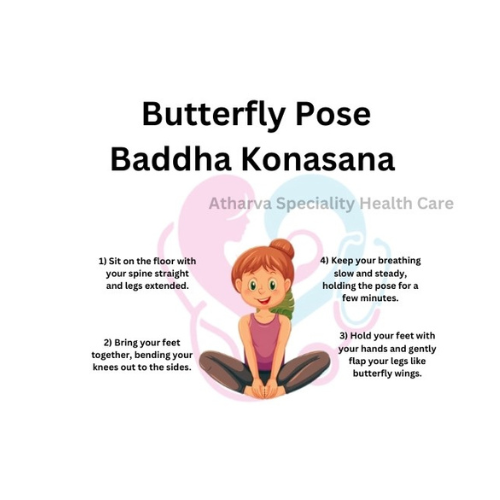
- Baddha Konasana (Butterfly Pose)
This seated posture specifically engages the pelvic zone, aiding in the enhancement of reproductive health by promoting optimal blood flow.
Benefits of Baddha Konasana for PCOS
- Optimizes ovarian functionality by boosting circulation.
- Alleviates menstrual discomfort and aids in cycle regularity.
- Diminishes anxiety symptoms, encouraging a state of calm.
Execution Guidelines
- Sit with an erect spine, legs extended.
- Draw your feet together, allowing knees to drop outward.
- Grasp your feet with both hands and gently oscillate your knees, emulating a butterfly’s wings.
- Maintain a slow, consistent breath, holding the posture for a few moments.
Scientific Support: Research published in the International Journal of Yoga indicates that consistent practice of Baddha Konasana can substantially lower stress, thus contributing to hormonal stability.
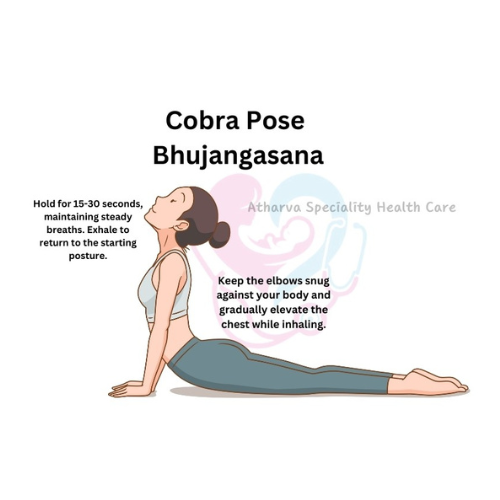
- Bhujangasana (Cobra Pose)
Bhujangasana, known as Cobra Pose, involves a gentle backward stretch that engages the abdominal zone, stimulating ovarian health. This posture is instrumental in enhancing insulin sensitivity— a crucial aspect of PCOS management.
Advantages of Bhujangasana for PCOS
- Bolsters ovarian well-being by encouraging blood flow to the lower abdomen.
- Facilitates weight control, contributing to hormonal stability.
- Decreases stress, thus aiding in the regulation of cortisol and insulin.
How to Perform Bhujangasana
- Lie prone, placing hands beneath your shoulders.
- Inhale, lifting your chest from the ground with slightly bent elbows.
- Keep your gaze upwards, holding the posture for several breaths.
- Exhale and lower your chest back to the mat.
Validation from Research: The Journal of Clinical and Diagnostic Research affirmed that regular Bhujangasana practice alleviates fatigue and menstrual disturbances in women with PCOS.
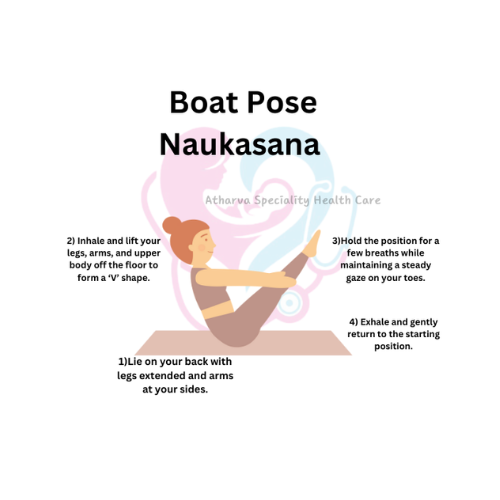
- Naukasana (Boat Pose)
Naukasana is a core-strengthening position that tones the abdominal region while supporting reproductive health.
Merits of Naukasana for PCOS
- Strengthens the core, enhancing digestive health and metabolic efficiency.
- Stimulates abdominal organs, encouraging hormonal balance.
- Assists in weight management— a key consideration for PCOS sufferers.
Performing Naukasana
- Lie supine with legs outstretched, arms resting beside you.
- Inhale, raising both legs and torso to form a ‘V’ shape.
- Hold the stance, focusing on steady breathing and keeping eyes on the toes.
- Exhale and gradually return to the original position.
Supporting Evidence: A study in the Indian Journal of Endocrinology and Metabolism demonstrated that consistent Naukasana practice enhances metabolic rate and reduces waist size in women with PCOS.
- Supta Baddha Konasana (Reclining Bound Angle Pose)
This is a calming pose that relaxes the body while gently opening the hips, fostering hormonal equilibrium.
Benefits of Supta Baddha Konasana for PCOS
- Calms the nervous system, mitigating stress-induced hormonal disruptions.
- Promotes blood circulation to reproductive structures.
- Relieves lower back and pelvic tension.
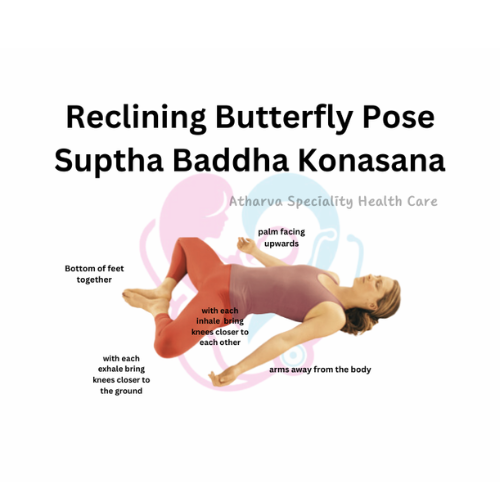
Practice Guidelines
- Lie on your back, bringing the soles of your feet together while knees drop outward.
- Let your arms rest beside you, palms facing up.
- Close your eyes, concentrating on slow, deep inhalations.
- Remain in this posture for several minutes, allowing full relaxation.
Journal Evidence: Research from the Journal of Obstetrics and Gynaecology of India confirmed that restorative postures like Supta Baddha Konasana markedly lower cortisol, aiding hormonal harmony in women with PCOS.
- Dhanurasana (Bow Pose)
Dhanurasana is an invigorating backbend that activates the abdominal organs, reinforcing the reproductive system. It has a profound impact on hormonal balance.
Principal Benefits of Dhanurasana for PCOS
- Stimulates reproductive organs, aiding in hormonal regulation.
- Fortifies the back musculature, enhancing posture.
- Eases menstrual discomfort commonly linked with PCOS.
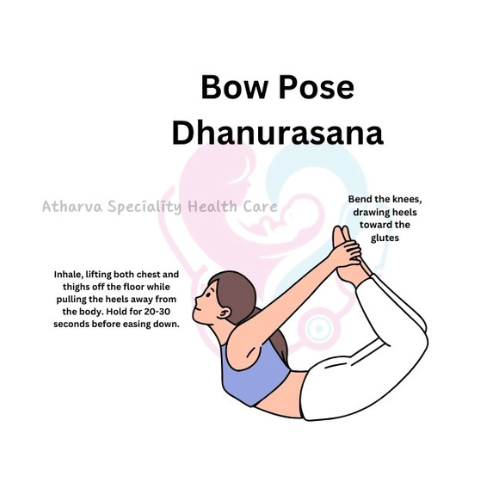
Step-by-Step Guide
- Begin lying face-down, arms at your sides, legs outstretched.
- Bend your knees, drawing feet towards your back.
- Reach back to grasp your ankles, elevating both chest and legs off the ground.
- Hold the position, inhaling deeply as the stretch intensifies in the abdomen and chest.
Study Findings: A publication in the Journal of Alternative and Complementary Medicine underscored Dhanurasana’s role in improving ovarian function and regulating the endocrine system.
- Shavasana (Corpse Pose)
Shavasana, or the Corpse Pose, is a meditative resting position that soothes the mind and body, making it highly effective in addressing PCOS-related anxiety and stress.
Core Benefits of Shavasana for PCOS
- Alleviates stress and anxiety, known triggers for PCOS symptoms.
- Promotes profound relaxation, assisting in hormonal regulation.
- Enhances mindfulness, uplifting overall emotional well-being.
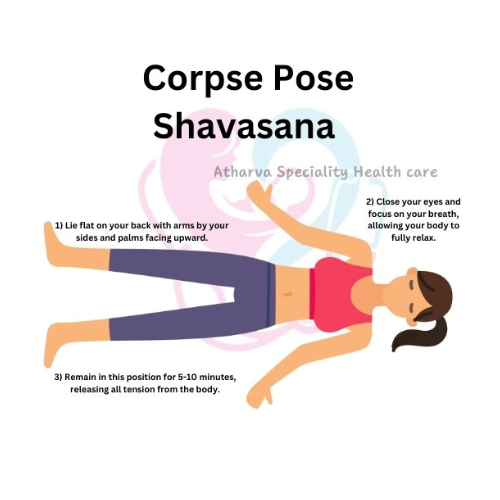
Guidelines for Shavasana
- Lie flat on your back, arms comfortably at your sides, palms upwards.
- Close your eyes, focusing intently on your breath as you release tension.
- Stay in this meditative state for 5-10 minutes, permitting a deep sense of calm.
- Gently bring awareness back before resuming a seated posture.
Scientific Validation: According to the Journal of Endocrinology, regular Shavasana practice reduced stress symptoms and improved sleep quality, thus positively influencing hormonal health in women with PCOS.
Final Reflections on Yoga for PCOS
The yoga asanas discussed, validated by scientific research, offer a multifaceted approach to PCOS management. These postures address various aspects of the disorder— from hormonal imbalances to weight control and stress alleviation. Incorporating these asanas into a consistent regimen, complemented by professional medical guidance, can significantly enhance well-being and mitigate symptoms for women dealing with PCOS.
Author
Dr Sharath Kumar
Consultant Obstetrician & Gynaecologist
Laparoscopic- Pelvic Surgeon
Infertility & Cosmetic Gynaecologist
Dr.Sharath Kumar is a Consultant Obstetrician & Gynaecologist, Laparoscopic-Pelvic Surgeon, and specialist in Infertility and Cosmetic Gynaecology. With a holistic approach to patient care, Dr. Kumar combines his extensive experience with advanced techniques to enhance patient well-being and address complex reproductive health concerns. Known for his compassionate care, he prioritizes a patient-centred approach, focusing on comprehensive treatment plans tailored to each individual’s unique needs. His commitment to advancing women’s health and dispelling myths in gynaecology and fertility care makes him a trusted figure in the field.